


Key Takeaways
- You can legally buy a house without a realtor, but you’ll need to take on key responsibilities like researching listings, negotiating, and managing contracts.
- Hiring a real estate attorney, getting a home inspection, and understanding your legal rights are essential steps to protect yourself during the process.
- Buying without an agent may save money, but it requires careful planning, strong due diligence, and a willingness to handle complex tasks on your own.
Buying a house is one of the biggest financial decisions most people will make—and while working with a real estate agent is common, it’s not required. In fact, many buyers today are choosing to purchase homes without using a realtor, whether to save on potential commissions, negotiate directly with sellers, or take a more hands-on approach to the process.
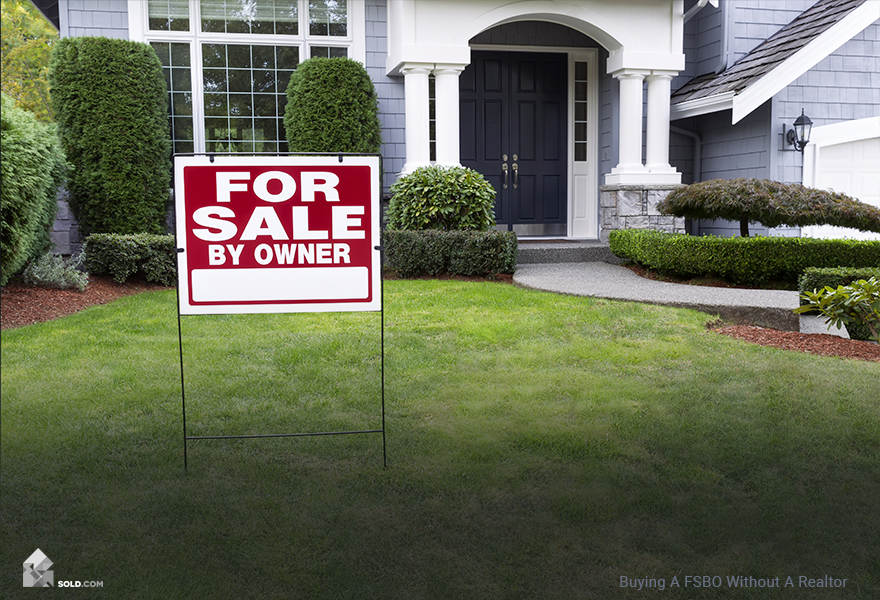
Whether you’re buying from a family member, eyeing a FSBO (For Sale By Owner) listing, or simply want full control of your homebuying journey, this resource will help you move forward with confidence.
Can You Really Buy a House Without a Realtor?
Yes, you absolutely can. While many people think hiring a real estate agent is mandatory, there is no law that requires buyers to use one. Real estate transactions are legal to complete without an agent in every state. The key is understanding the responsibilities that a realtor typically handles, and preparing to manage those yourself.
When It Makes Sense to Skip an Agent
In certain situations, buying a home without a realtor is not only possible — it may even be practical:
- For Sale By Owner (FSBO): When a seller lists their home without an agent, you’re already dealing with an owner who is open to direct communication.
- Buying from a friend or family member: You may not need a third party to facilitate if you already trust the seller.
- Experienced buyers or investors: If you’ve bought homes before or have knowledge of contracts and negotiations, you may prefer full control of the process.
- Low-risk or straightforward purchases: In stable markets with minimal complications, buyers sometimes feel confident handling things solo.
When You Should Still Consider Hiring a Realtor
Despite the possibility of going solo, there are times when hiring a realtor (or at least a buyer’s agent) may make sense:
- If you’re a first‑time buyer: Lack of experience, unfamiliarity with contracts and negotiations mean an agent may provide valuable guidance. Many sources highlight this.
- Competitive or fast‑moving markets: If multiple offers, bidding wars, tight timelines — an agent has the network and speed to act.
- Complex financing: FHA, VA, jumbo loans, or unusual financing may require an agent experienced with those nuances.
- Unfamiliar local market: If you’re moving into an area you don’t know, a local realtor brings insight on neighborhoods, pricing, pitfalls.
- Limited time or willingness to do the legwork: If you’d rather have someone else manage showings, negotiations, paperwork, it may not be worth doing solo.
If any of these describe you, strongly consider working with a realtor or at least a good real‐estate attorney plus part‑time agent support.
Pros and Cons of Buying Without a Realtor
Buying a home without a realtor is entirely possible, and for some buyers, it can offer more flexibility and control. But going solo also comes with added responsibilities and risks. Understanding both sides of the decision will help you determine whether this path is right for you.
Benefits of Buying Without a Realtor
- More control over negotiations: You can negotiate directly with the seller or their agent, choose your own approach, and decide when to be firm or flexible. This kind of control can lead to creative deal-making
- Potential to reduce purchase price: Sellers often factor in agent commissions, typically around 5–6% of the sale price, when pricing their home. If you’re not bringing a buyer’s agent to the table, the seller may be open to passing some of that savings on to you, especially in For Sale By Owner (FSBO) deals.
- Direct communication with the seller: When you communicate with the seller one-on-one, there’s less risk of messages getting lost or delayed. For some buyers, this more personal connection can build trust and transparency, especially when buying from someone who genuinely wants their home to go to the “right person.”
- Reduced pressure and a DIY mindset: Not all buyers enjoy the traditional sales process. Some prefer to conduct their own research, visit properties at their own pace, and make decisions independently.
Challenges and Risks
- Limited access to listings: One of the biggest drawbacks of going without a realtor is losing access to the Multiple Listing Service (MLS), a centralized database used by agents to find and share homes for sale. While public platforms like Zillow, Redfin, and Realtor.com offer plenty of listings, they don’t always show the full picture as some homes may never be listed publicly.
- Negotiation inexperience: Real estate negotiation is a specialized skill, one that good agents refine through dozens or hundreds of transactions. Even if you’re a strong negotiator in general, real estate comes with its own norms and expectations. Without guidance, you may find yourself at a disadvantage.
- Legal complexities: Buying a home involves dozens of documents, legal disclosures, and binding agreements. Errors or oversights, even minor ones, can delay closing, trigger legal disputes, or cost you money.
- Emotional decisions: A good agent brings objectivity to the process. Without that buffer, it’s easy to let emotions take over, especially if you fall in love with a home. When buying solo, it’s essential to pause, take a breath, and make decisions based on facts, not feelings. That can be harder to do without someone on your team helping you stay grounded.
- You may not actually save money: It’s a common assumption that skipping a buyer’s agent saves you money, but that isn’t always the case. In many transactions, the seller pays the commission for both their agent and the buyer’s agent. If you choose not to use one, the seller’s agent may receive the full commission, or the seller may simply pocket the difference.
Buying a home without a realtor offers flexibility, control, and the potential for savings. But it also requires diligence, time, and a willingness to take full responsibility for every step of the process.
If you’re prepared to do your homework, seek legal and financial advice when needed, and stay clear-eyed during negotiations — buying solo could be a smart, empowered choice.
Step-by-Step: How to Buy a House Without a Realtor
1. Get Pre-Approved for a Mortgage
Pre-qualification is a quick estimate of what you might afford. A pre-approval involves verifying your financial information while a conditional approval is the strongest form of pre-approval, with most documents reviewed. Getting a pre-approval letter shows sellers you’re serious. Without it, your offer may not be considered credible.
Documents you’ll likely need:
- W-2s or 1099s
- Pay stubs
- Tax returns
- Credit report
- Bank statements
- Government-issued ID
The exception to a pre-approval letter is if you are making an all-cash offer. Cash is king, regardless of whether or not you’re purchasing FSBO or not. If you’re planning on making a cash offer, instead of a pre-approval letter, come to the seller with either a bank statement or a letter from your bank verifying funds.
2. Set Your Budget and Understand All Costs
When planning to buy a home, especially without a realtor guiding you, it’s crucial to look beyond just the sale price. The purchase price is only one part of the total cost of homeownership. If you don’t account for everything upfront, you could face financial strain down the line. Make sure you account for the following:
- Down payment
- Closing costs
- Homeowners insurance
- Property taxes
- HOA fees (if applicable)
- Home inspections and title insurance
Understanding all expenses helps you stay within budget — and out of financial stress. Being proactive with your budget puts you in control, builds seller confidence, and helps you make smart, stress-free decisions throughout the home buying journey.
3. Find Properties Without MLS Access
When you’re buying a home without a realtor, one of your most important tasks is to find the neighborhood and property that fits your needs. Choosing the right area can impact everything from your quality of life to the long-term value of your investment. However, without access to the MLS, which is the main database where real estate agents share listings, finding the right home will take extra planning and attention. Here are some good methods to find the right home for you.
Drive Around – If you’re not sure the exact neighborhood you want to live in, do some research (schools, shopping, transportation, etc.) online and narrow it down. Once you have a few neighborhood options in mind, get in the car and drive around. Get a feel for them – and keep an eye out for yard signs. A sign in the yard is still one of the best ways for FSBO sellers to let them know they’re on the market.
Check Local Classifieds – This is also old school, but some FSBO sellers still place ads in the local newspaper.
Go Online – While you won’t have access to the houses on the MLS (Multiple Listing Service) without a licensed agent, these days many (if not most) FSBO properties will have some kind of online presence. Over the past few years, a number of sites have arisen listing FSBO properties (Fizber.com is one). Most of these sites allow you to search the specific area you’re interested in, and will not only include pictures, but all the details about the property. Some even include video tours. While you’ll still want to see the home in person before making an offer, these sites can give you an excellent idea of what is available, and allow you to do price comparisons from the comfort of your home. This will allow you to gather the information you need to make an informed decision.
4. Request Seller Disclosures
Finding a house you’re interested in is one thing, but going through the buying process is another. One of the key services that a buyer’s agent provides is guidance through the home buying process. But without an agent, you’ll need to navigate yourself through the process.
Once you have found the house you want to put an offer on, you’ll want to request seller disclosures. These documents are designed to reveal known issues with the home — and can significantly impact your decision to move forward or renegotiate.
What sellers are required to disclose varies by state, but often includes:
- Roof, foundation, or structural problems
- Plumbing or electrical issues
- Termite or pest infestations (past or present)
- Mold, water damage, or drainage problems
- Lead-based paint (if the home was built before 1978)
- Environmental hazards like asbestos, radon, or underground oil tanks
- Past insurance claims or flood history
In some states, sellers must disclose these issues upfront. In others — especially “caveat emptor” or “buyer beware” states — the responsibility falls on you to ask detailed questions.
5. Hire a Real Estate Attorney
Without a buyer’s agent to handle contract review and legal nuances, a real estate attorney becomes one of your most important partners in the homebuying process. While not legally required in every state, hiring one is strongly recommended — especially if you’re handling the transaction yourself.
There is a LOT of paperwork involved in buying a home. Even if you’ve been through the process before, the laws are constantly changing (and in any case, are different in different areas). If you’re unsure what’s required in your area, a real estate attorney can help clarify the rules. Here’s what a real estate attorney can do for you:
- Review your purchase agreement to ensure the terms protect your interests
- Help you draft contingencies (e.g., for financing, inspections, or appraisal)
- Conduct a title search to confirm there are no liens or ownership issues
- Advise on local laws and disclosures
- Coordinate closing and ensure all documents are properly signed and filed
6. Write and Submit Your Offer
With the seller’s disclosures reviewed and legal support in place, you’re ready to draft your offer. Without a realtor, you’ll need to prepare a formal purchase agreement yourself — usually with help from your attorney or using a state-approved form.
Your offer should include:
- Purchase price: Based on comps and the home’s condition
- Earnest money deposit: A good faith payment (typically 1–3% of the price) held in escrow to show you’re serious
- Contingencies: Conditions that must be met for the sale to proceed — such as financing approval, a satisfactory home inspection, or a clean appraisal
- Preferred closing date: Choose a realistic date that gives you and the seller time to meet all deadlines
- Seller concessions: Ask the seller to cover specific closing costs or include certain appliances, furniture, or fixtures
Once the offer is drafted, submit it directly to the seller or their listing agent, along with proof of pre-approval and your earnest money terms.
7. Negotiate Terms with the Seller
Once your offer is submitted, you enter the negotiation phase.
Without the buffer of agents, you’ll be dealing directly with the house sellers, or with the seller’s agent, on ALL of the issues involved in the purchase offer. While many of the terms of the contract are fairly standardized in a particular area (who pays what with regard to inspections, closing costs, etc.), almost everything else is open to negotiation – and price, of course, most of all. If you are intimidated by asking for what you want, or are uncertain about your negotiating skills, you may need to rethink your decision to go through this process without a buyer’s agent. Although it might not be something you’ve considered, hiring a buyers’ agent may pay for itself with their experience with negotiation.
8. Schedule a Home Inspection
Any lender will require a home inspection, even if you’re buying the house in “as is” condition. Even if you are paying cash, you STILL want the home inspection. No matter how well you think you know houses, there are problems and issues that only a thorough home inspection will uncover – and you need to know about them before you enter negotiations
Even if the seller has made it clear they are unwilling to do repairs, you need to know the full situation in order to make an informed decision, as well as to be prepared for facing negotiations. Maybe you’ll still want to buy the house knowing it needs a new roof – but you may want to pay $10,000 less than you otherwise would have.
9. Secure Your Appraisal and Finalize Your Loan
Again, if you’re getting a home loan, this will be mandatory. But even if you’re not, it’s still a good idea. Without an agent, you’re an amateur when it comes to determining the market value of a property. You may think you’re getting a good deal, but you should ensure that a trained and licensed professional agrees. The cost of an appraisal (usually $300-$400 for a single-family home) is minimal compared to what over-paying on a property will cost you.
10. Hire a Title Company
When realtors are involved in a buying and selling process, they have title companies that they are used to working with. But if you’re doing the process without realtors, you will still need a title company to handle the closing. If you’ve worked with a title company before – and were happy with them – there’s no reason not to use them again. Or maybe the seller has a title company they trust. If neither of you do, then ask around for recommendations. Anyone who has bought or sold real estate will have used the services of a title company.
If you’re buying with a lender, you will be required to have title insurance. But again, even if you’re doing an all-cash deal. You need clear title to the property you’re buying!
The title company will also handle escrow, which should be opened with the deposit of your earnest money. Even though this is mostly a DIY transaction, the seller should not be directly holding onto your earnest money. Put it into an escrow account and both you and the seller are protected.
11. Review Your Documents
As a buyer without a realtor, it’s especially important to approach closing day fully prepared and informed. Before you sign anything, take time to carefully review all your final paperwork. Key documents include:
- Closing Disclosure – This outlines your final loan terms, monthly payment, interest rate, and a full breakdown of closing costs.
- Loan Estimate – Compare this with your original estimate to ensure nothing unexpected has changed.
- Final Sales Agreement – Verify that all negotiated terms are correctly reflected, including seller concessions or repairs.
- Property Taxes and HOA Dues – Make sure you’re aware of your annual tax obligation and any homeowners association fees due at closing or soon after.
Be sure to schedule a final walkthrough 24 hours before closing. Walk through the home to ensure all agreed-upon repairs were completed, fixtures remain, and the home is in the condition you expect. This is your last chance to catch issues before signing.
12. Close with Confidence
On closing day, you’ll meet with the seller, your real estate attorney (if applicable), the title or escrow officer, and possibly a representative from your lender. This is where ownership officially changes hands.
Be sure to bring:
- A valid, government-issued photo ID
- Proof of homeowners insurance
- A cashier’s check or confirmation of wire transfer for your remaining funds (closing costs and down payment)
You’ll be signing:
- The deed – Transfers ownership from the seller to you
- Loan documents – If financing, this includes your mortgage agreement and promissory note
- Settlement forms – Finalizes all financial details of the transaction
Once everything is signed, verified, and recorded, the seller hands over the keys — and just like that, the home is officially yours. Congratulations! You’ve successfully bought a home without a realtor.
Buying a FSBO Home
There are a lot of benefits if you’re planning to buy a FSBO home without a realtor. But don’t be overconfident. Make use of professionals when you need to, and make sure you’re doing your due diligence. As long as you do your research and are well informed, both you and the seller can come out ahead!
If you’re unsure or feel out of your depth, don’t worry. You can still explore solo buying options while speaking with a trusted partner. SOLD.com can help you explore both paths — whether you want to go all-in on DIY or find a seasoned professional who’ll support you every step of the way. Take our quiz to get started!


